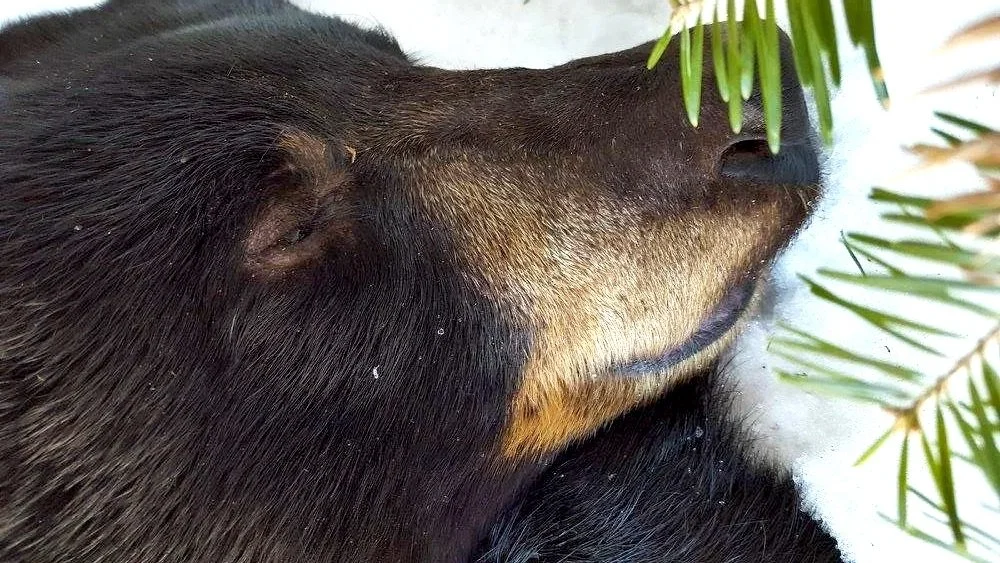
Why do bears hibernate? Bears in Winter Part 1

Have you been thinking about creating a more intentional space for wildlife, but you’re not sure where to start? I’m here to tell you that you just need to start somewhere, and the best time to start is now. I'm also here to help! So make yourself a cup of hot coffee or tea, and grab a pen and paper. Set some goals and make some notes. A little planning now will go a long way to help you achieve your overall vision, and to help you conserve wildlife right where you are.
Carnivores are critically important to the balance of an ecosystem. They keep prey populations in check, ensuring that rodents, deer, rabbits, and other herbivores don’t overpopulate. When predators are absent or their numbers greatly reduced, herbivores can dominate a natural community, leading to a decline in the abundance and diversity of plants, which means fewer flowers for pollinators (also keystone species), and so on.
Although tree damage caused by high winds can negatively impact wildlife that use standing trees for feeding, perching, denning, resting, or foraging, fallen trees will provide excellent wildlife habitat as decaying logs, as well.
Fallen trees in the woods may look like a "mess" to clean up, but as long as they are not posing a hazard or blocking important access, it is best to leave the trees where they have fallen.
Have you witnessed the beautiful Buttonbush blooms these last few weeks? They embody the wild bounty of mid-summer.
These uniquely geometric globes of bright white seem to explode from lush ribbons of green along the shoreline of a dazzling blue lake.
Cephalanthus occidentalis is a vastly underappreciated native shrub…
These furry, winged mammals have been the subject of so much mythology, lore, and horror stories – it’s hard to know where to begin. For starters, there’s the old-wives’ tale that bats often get tangled up in long hair (simply untrue), and let’s not forget the widely held belief that most bats have rabies and will attack. Like other wild animals, bats can contract rabies but less than ½ of 1% of bats actually have the disease. It is rare to be bitten by a bat because they are shy and avoid people, biting only in self-defense if handled.
At this time of year we are gaining three minutes of daylight per day! That's the biggest jump we'll see all year. If that's not reason to celebrate, than what is?!
Lengthening days are a sign of spring to those of us with cabin fever, while plants and animals take this cue as a signal that the most favorable conditions for reproduction are upon them.
If you spend any time walking in coniferous forests, you've no doubt wandered right under these busy little birds without knowing it. They feed high in the treetops and are so small and active that they are easily missed - unless you’re a seasoned birder and can recognize the noisy high-pitched calls of foraging flocks.
As we all know, winters in the North can be harsh. For some animals that don't migrate or hibernate, the subnivean zone is their key to survival.
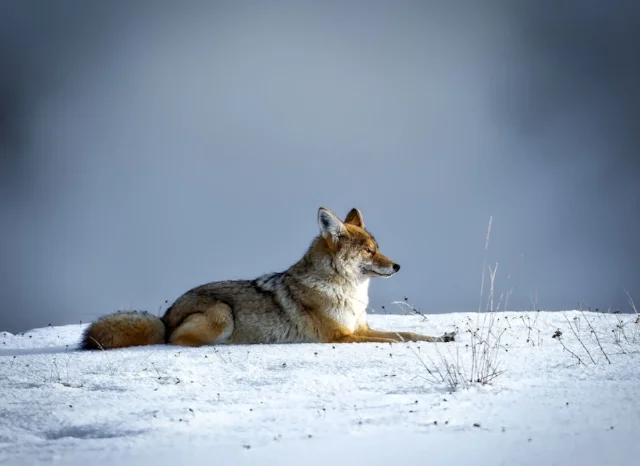
But what if you are predator? How do you survive this period of scarcity and extreme weather? To solve this problem, some of our predators have adapted hunting strategies that allow them to detect the presence and precise movements of the subnivean dwellers.
It's another big acorn year, and many oak trees have dropped their acorns relatively early - presumably because they are stressed from the drought, and can’t afford the resources needed to grow their seeds to maturity. Meanwhile, small flocks of blue jays (often family groups) are moving through hardwood forests - busily collecting and caching these synchronized seeds.
The land is awash with sprays of amber, lemon, and yellow from the wild goldenrods that proliferate in meadows, roadsides, forest edges, and vacant lots this time of year. These misunderstood, underappreciated, and spectacularly diverse plants have been lumped into the common category of "goldenrod" and unfairly blamed for hay fever.
Despite my education, and the ecological role that I know they play, I have been pretty wary of wasps throughout my lifetime. It's a visceral thing. I respected their place in the food web, but I didn't lean in to study them. That is until I laid eyes on the star of this Phenology Note: the Great Golden Digger Wasp (Sphex ichneumoneus). They have won me over!